How to Prevent Mold Recurrence in Chatham Homes for Long-Term Savings
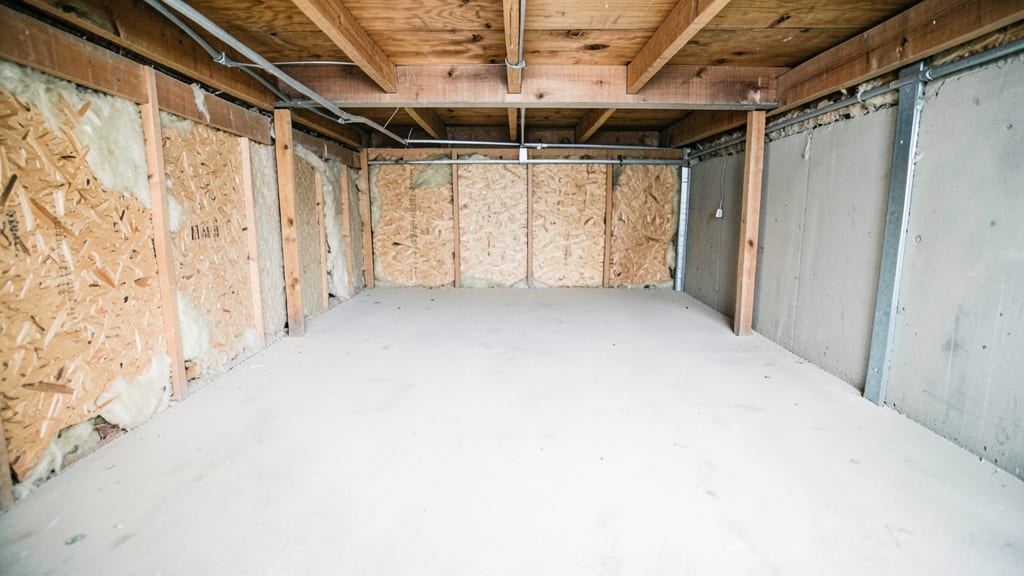
Mold recurrence in coastal homes like those in Chatham isn’t just a nuisance—it’s a silent budget drain. Without targeted moisture control and proper remediation, mold returns, often worse than before. We’ve helped homeowners across the Cape stop the cycle for good, saving thousands in repeated treatments and structural repairs.
Why Mold Keeps Coming Back in Coastal Homes
Chatham’s humid, maritime climate creates ideal conditions for mold spores to thrive. Even after removal, residual spores in drywall, insulation, or HVAC systems can reactivate with excess moisture.
Common culprits include poor attic ventilation, leaky basements, and crawl spaces without vapor barriers. In neighborhoods like West Chatham or Harwich Port, older homes often lack modern moisture controls, exacerbating the issue.
The Hidden Costs of Recurrent Mold
Repeated mold outbreaks don’t just damage walls and flooring—they degrade indoor air quality, triggering allergies and respiratory issues. Over time, this can lower property value and increase insurance premiums.
Structural repairs from long-term exposure (e.g., rotted joists in basements or compromised drywall in attics) often dwarf the cost of initial remediation. Prevention is always cheaper than the cure.
Mold Inspection vs. Mold Testing: What You Need
A professional mold inspection identifies visible and hidden mold, moisture sources, and vulnerable areas. It’s the first step in any prevention plan, especially in high-risk zones like crawl spaces or attics.
Mold testing (including air quality testing) confirms spore types and concentrations, which is critical for homes in Orleans, Brewster, or Eastham where outdoor spore counts are naturally high. Combined, they give us the full picture.
| Service | Purpose | When to Use |
|---|---|---|
| Mold Inspection | Locate mold growth, moisture sources, and damage | After water damage, before purchasing a home, or if you smell musty odors |
| Mold Testing (Air/Surface) | Identify spore types and concentration levels | To confirm hidden mold, after remediation, or for health concerns |
| Air Quality Testing | Measure indoor spore counts vs. outdoor baseline | For homes with unexplained allergies or in high-humidity areas like Yarmouth or Wellfleet |
Critical Moisture Control Strategies
Dehumidifiers are non-negotiable in Cape Cod basements and crawl spaces. Aim for 30-50% relative humidity, and empty or drain units regularly—especially in damp seasons.
Proper grading around your home’s foundation prevents water from pooling near the base. In low-lying areas like South Dennis or Truro, this is a game-changer for preventing basement seepage.
Install soffit vents and a ridge vent to create continuous airflow. This reduces condensation buildup, a major mold trigger in attics across Harwich and Dennis.
Targeted Remediation for High-Risk Areas
Crawl spaces need encapsulation with a vapor barrier and, in severe cases, a sump pump. Without this, ground moisture wicks into joists and subflooring, fueling mold growth.
Basements benefit from interior drainage systems and waterproofing sealants. In older homes in Hyannis or Barnstable Town, these upgrades often pay for themselves by preventing recurrent outbreaks.
High-Risk Area Action Plan
- Seal crawl space floors with a 20-mil vapor barrier
- Install a dehumidifier with a pump for automatic drainage
- Add attic baffles to maintain airflow to the ridge vent
- Inspect HVAC ducts for mold and clean with HEPA vacuums if needed
- Check for and repair any roof leaks or ice dam damage annually
HVAC Systems: A Common Overlooked Culprit
Mold in HVAC systems spreads spores throughout the entire home. Regular duct inspections and cleanings—especially in humid months—are essential for homes in West Yarmouth or East Sandwich.
Replace HVAC filters every 1-3 months, and consider upgrading to a MERV 8-13 filter to capture mold spores. This is a simple, low-cost step with big long-term benefits.
Disturbing moldy ducts without proper containment can release spores into living spaces. Always hire professionals for HVAC mold remediation.
Long-Term Prevention: Beyond the Basics
After remediation, apply antimicrobial treatments to surfaces in high-moisture areas. This adds a layer of protection against future growth in spaces like basements or laundry rooms.
Schedule annual mold inspections, particularly if your home is in a flood-prone area like North Eastham or near the coast. Early detection prevents small issues from becoming costly disasters.
When to Call in the Professionals
If mold covers more than 10 square feet, or if it’s in your HVAC system, it’s time to call experts. Our team uses containment barriers and negative air pressure to prevent cross-contamination during removal.
For commercial properties in Chatham or nearby areas like Yarmouth Port, professional remediation is critical to meet health codes and protect employees or tenants.
How to Inspect Your Home for Early Signs of Mold Recurrence
Catching mold early saves time, money, and stress—here’s how to do it right.
- 1Check for Musty Odors
Mold often has a distinct, earthy smell. Pay special attention to basements, attics, and behind furniture.
- 2Look for Visible Signs
Scan walls, ceilings, and under sinks for dark spots, discoloration, or peeling paint. Don’t overlook hidden areas like behind drywall or under carpeting.
- 3Use a Hygrometer
Measure humidity levels in problem areas. Consistently high readings (above 60%) indicate a moisture issue that needs addressing.
- 4Inspect for Water Damage
Look for water stains, warped wood, or bubbling paint—these are red flags for past or ongoing leaks that can lead to mold.
- 5Test Air Quality
If you suspect hidden mold, consider professional air quality testing. DIY test kits are available but may lack the precision of lab analysis.
Frequently Asked Questions
How often should I test for mold in my Chatham home?
We recommend annual mold inspections, especially if your home has a history of water damage or is in a high-humidity area. After any major water event (e.g., flooding, leaks), schedule a test immediately.
Can I prevent mold recurrence without professional help?
For small, isolated issues, DIY moisture control (e.g., dehumidifiers, fixing leaks) can help. However, for widespread or hidden mold, professional remediation and prevention strategies are essential to avoid recurrence.
What’s the most effective way to prevent mold in a basement?
Combine waterproofing (interior or exterior), a vapor barrier, and a high-capacity dehumidifier. In areas like South Yarmouth or West Dennis, where groundwater is high, a sump pump may also be necessary.
Does homeowners insurance cover mold remediation in Chatham?
Coverage varies by policy. Most standard policies cover mold damage only if it’s a result of a ‘covered peril’ like a burst pipe. Flood-related mold typically requires separate flood insurance. Always check your policy details.
How do I know if my HVAC system has mold?
Signs include a musty smell when the system runs, visible mold around vents, or increased allergies. If you suspect HVAC mold, turn off the system and contact professionals for HVAC mold remediation immediately.
Are there specific building materials that resist mold growth?
Yes. Mold-resistant drywall (e.g., paperless or fiberglass-faced) and moisture-resistant insulation (e.g., closed-cell foam) are excellent choices for basements, bathrooms, and crawl spaces in humid climates like Cape Cod.